 EXCLUSIVE
 SHOP
SHOP Formal Dress
 Casual Dress
 Bridesmaid Dress
 Wedding Dress
 Hanfu & Qipao
 Nightgowns
 Panties
 Bedding Sets
 Fabrics
 CUSTOMER CARE
 SUSTAINABILITY
So you’re in the market for a new bedding set. You want your bed to be a cozy retreat at the end of a long day, with sheets and blankets that envelop you in comfort. But one trip down the bedding aisle and you’re already overwhelmed by the options. Thread count, fabric, print or pattern? How do you even choose?
Don’t worry, we’ve got you covered. Literally. This ultimate guide will walk you through everything you need to know to find a bedding set you’ll love. We’ll explore the pros and cons of different fabrics like cotton, linen and microfiber so you can determine what feels best for your needs. We’ll decode the mysteries of thread count and show you why more isn’t always better. And we’ll share tips for measuring your mattress, choosing complementary colors and prints, and comparing prices to get the best value.
By the time you finish this guide, you’ll be armed with the knowledge you need to find a bedding set you’ll look forward to snuggling into every single night. The only thing left to do is take a trip to the store (or your laptop) and start shopping! Your perfect bedding set is out there waiting for you.
Consider the Fabric When Choosing Bedding
Fabric
When choosing bedding, the fabric is one of the most important factors to consider. Cotton is a great all-around choice, as it's breathable, durable and affordable. For warmer sleepers or hot climates, percale cotton is a lightweight and crisp option. Flannel cotton is cozy and insulating for chillier nights.
Synthetic fabrics like microfiber or polyester tend to be budget-friendly, wrinkle-resistant and long-lasting. However, some find them less breathable. Microfiber is softer than regular polyester and suitable for most seasons.
Silk or satin feel luxurious but typically don’t last as long. They do help you stay cooler in summer though. Bamboo is an eco-friendly alternative that is naturally antimicrobial and moisture-wicking.
For ultimate coziness, you can’t beat down. Duck or goose down fillings provide superior insulation for their weight. However, they require frequent fluffing and can lose shape over time. Down alternative fillings made of polyester or rayon are more budget-friendly but less lofty.
In the end, choose what feels pleasant and comfortable for you while suiting your local climate. And don’t forget to think about care requirements - some fabrics like silk or wool may require dry cleaning or hand washing. With the wide range of options, you’re sure to find bedding that checks all the boxes for your perfect sleep sanctuary.
Pick the Right Size Bedding Set for Your Bed
The size of your bedding is one of the most important factors to consider. Nothing is worse than bedding that doesn’t properly fit your mattress.
For the best fit, you’ll want to know the dimensions of your mattress before shopping. The most common mattress sizes are:
-
Twin: 38 inches x 75 inches
-
Full: 54 inches x 75 inches
-
Queen: 60 inches x 80 inches
-
King: 76 inches x 80 inches
-
California King: 72 inches x 84 inches
Once you know your mattress size, you can look for bedding sets that match. Most sites and stores will allow you to filter by mattress size to show you only options that will fit properly. Some brands also offer “deep pocket” sheet sets for thicker mattresses.
Fitted sheets
For the most comfortable fit, look for a fitted sheet specifically designed for your mattress depth. Fitted sheets that are too loose won’t securely cover the mattress, while sheets that are too tight can be difficult to put on and take off. Measure your mattress and check the product details to find a sheet with an appropriate “pocket depth” or “fitted sheet depth.”
With the right knowledge about your mattress size and fitted sheet sizing, you’ll be well on your way to finding bedding that’s tailored for your perfect night's sleep. Sweet dreams!
Choose a Color Scheme and Pattern for Your Bedding
When choosing bedding, the color scheme and pattern are two of the most important decisions you’ll make. The colors and patterns you select set the overall tone and style for your bedroom. They have a big impact on the ambiance and how well you sleep.
Focus on colors that make you feel relaxed and calm. For most people, colors on the cooler end of the spectrum—blues, greens, and grays—are soothing and help calm the mind. Warm colors like reds, oranges and yellows tend to be more energizing. If you like warmer hues, use them sparingly and balance them out with cooler tones.
As for patterns, keep them simple for the best sleep. Solid colors or minimal patterns without a lot of contrast are easy on the eyes and less distracting. Tiny dots, thin lines, or a subtle floral or geometric print can add visual interest without being overpowering. Avoid anything too bold, bright or chaotic which can make it hard for your mind to unwind at night.
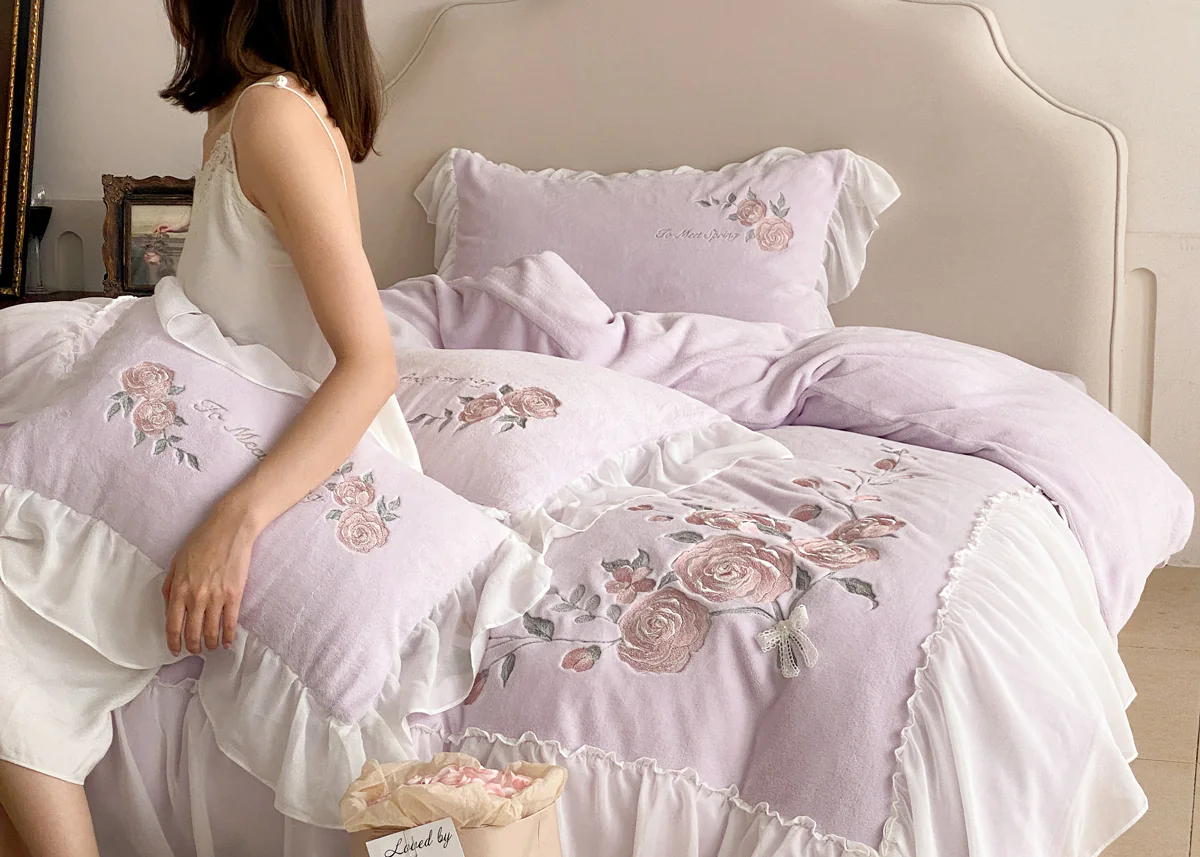
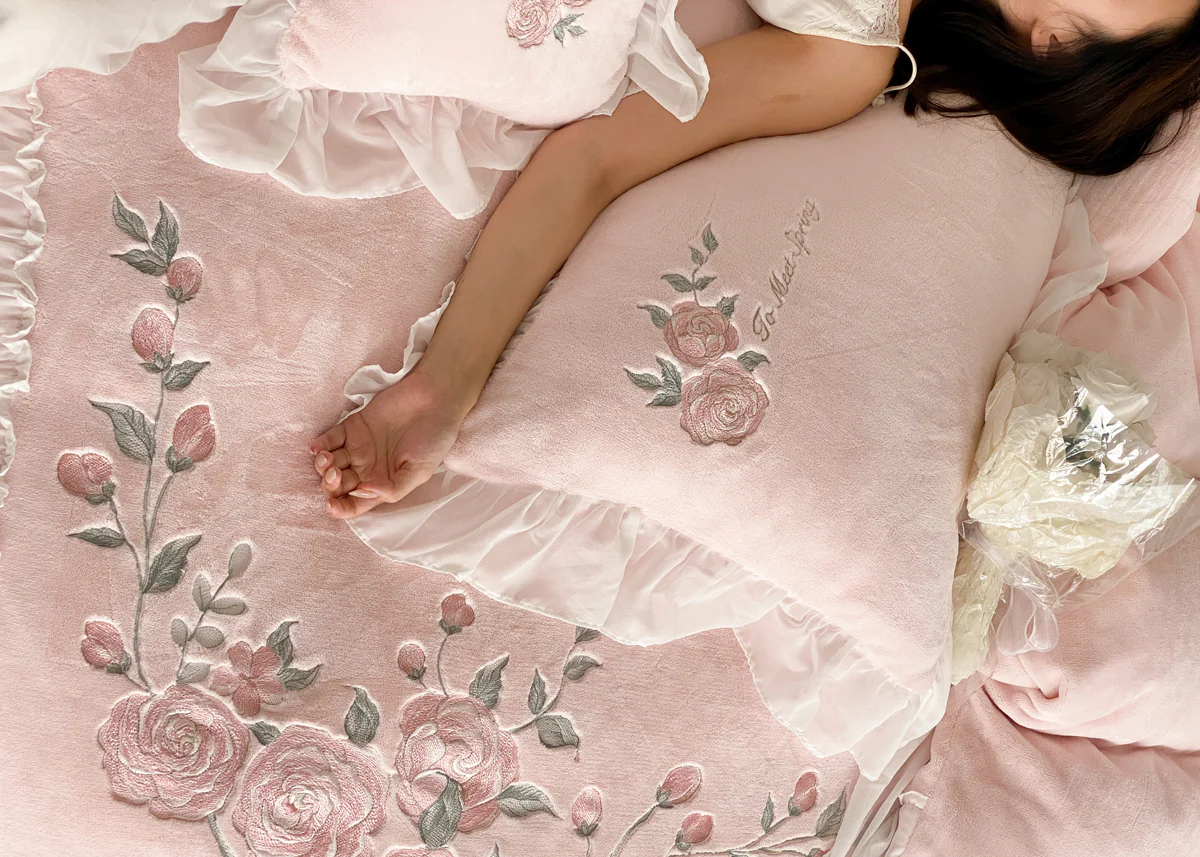
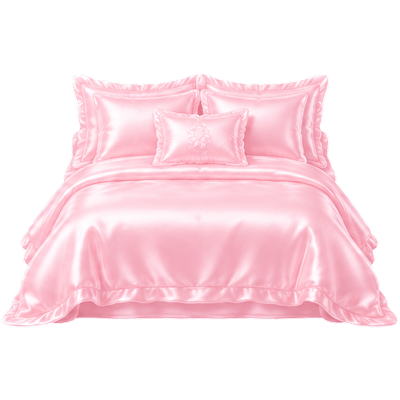
When combining colors and patterns, stick to a cohesive color palette for the most cozy, put-together look. Having one dominant color, and then accenting it with shades of the same tone, creates a sense of harmony. You might do navy blue sheets with a navy and gray geometric duvet cover and gray striped pillows. Or try blush pink sheets with a rose floral duvet and solid rose and cream pillows.
The most important thing is to choose bedding you find personally soothing and pleasing. Your bedroom should be a sanctuary for sleeping and relaxation. Make your bed with colors and patterns that evoke a sense of calm and comfort so you can get the rejuvenating rest you need.
Sweet dreams!
Factor in Your Budget When Selecting Bedding
When it comes to bedding, you have a lot of options at many price points. As with any home purchase, it’s important to factor in your budget before you start shopping so you can narrow down your choices. Some things to consider:
Thread count
Higher thread count sheets, like Egyptian cotton with a 800 thread count or more, tend to cost significantly more than lower thread counts. While higher thread counts do feel softer and more luxurious, for many people 400-600 thread count sheets still feel perfectly comfortable and cozy. Unless you have a big budget and want the highest quality, you can likely save money by choosing a mid-range thread count.
Fabric
Cotton, especially Egyptian or Pima cotton, tends to be on the higher end. More affordable options include microfiber, flannel, jersey, and polyester blends. Don’t assume natural fibers are always better — microfiber and flannel can be high quality, long-lasting, and budget-friendly. Read reviews to determine how the different fabrics and specific sheet sets hold up over time.
Brand
Well-known designer brands are typically pricier. While brand reputation can indicate higher quality, you often pay a premium for the name. Lesser-known or private label brands may offer similar quality for a lower cost. Check the details like thread count, fabric, and reviews to determine if you’re really getting better quality and value from a premium designer brand.
Extras
Add-ons like pillows, pillow protectors, mattress pads, blankets, and duvet covers will increase the total cost of your bedding set. Only buy what you really need for your bed. You can always add more pieces later. Consider buying bedding sets that include sheets, pillowcases and either a duvet cover or comforter for the best value.
By determining how much you want to spend on bedding before you start shopping, you can make choices that balance quality and budget. Focus on the details that really matter for comfort and longevity rather than paying a premium just for a brand name or extras you don’t really need. With some savvy shopping, you can find bedding you love without breaking the bank.
Care Instructions - Washing and Maintaining Your Bedding Set
To keep your new bedding set looking and feeling its best for years to come, be sure to follow the care instructions carefully. The materials used in your bedding determine how it should be washed and dried.
Cotton
Cotton bedding like sheets, duvet covers and blankets should be machine washed in warm or hot water using a mild detergent. Cotton can typically be dried on high heat in the dryer, but avoid over-drying as this can cause wrinkles. For the crispest sheets, remove from the dryer while still slightly damp and line or lay flat to air dry.
Linen
Linen bedding has a casual, wrinkled look, so avoid over-ironing. Wash linen separately the first time, then machine wash in warm or hot water using a gentle cycle. Linen can take longer to dry due to its density, so machine dry on medium or low heat while avoiding over-drying. For the softest feel, tumble dry linen with a few clean tennis balls.
Down
Down-filled duvets and pillows require special care. Machine wash down bedding in a front-loading washer using a gentle detergent for delicates. Add two clean tennis balls to the dryer to restore fluffiness. Tumble dry on low, checking frequently, for up to 3 hours until the filling is completely dry to avoid mildew. For stubborn stains, spot clean and air dry away from direct heat.
Silk
Silk bedding like sheets, blankets, and pillowcases should be hand washed separately in cool water using a mild detergent for delicates. Gently squeeze out excess water and lay flat to air dry away from direct heat. Iron silk only when needed on the lowest setting. For stubborn stains, pretreat and wash as directed. Avoid bleaching silk.
By properly washing and drying your new bedding according to the care labels, you'll keep your linens fresh and prevent damage. Following these easy instructions will help ensure you enjoy your bedding set for many cozy nights to sleep.
Conclusion
After going through all these tips, you should feel confident in finding the bedding set of your dreams. Remember to think about what you value in your sleep experience and choose materials and colors that align with your priorities. Don't feel overwhelmed by all the options out there. Focus on one piece at a time, starting with your top priorities. You'll be drifting off to sleep in no time under your cozy new bedding. Sweet dreams!