 EXCLUSIVE
 SHOP
SHOP Formal Dress
 Casual Dress
 Bridesmaid Dress
 Wedding Dress
 Hanfu & Qipao
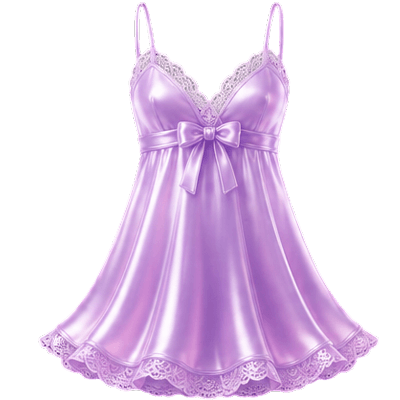 Nightgowns
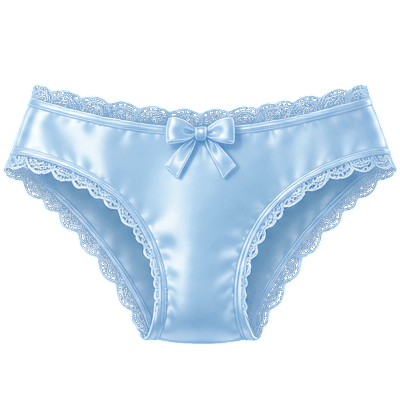 Panties
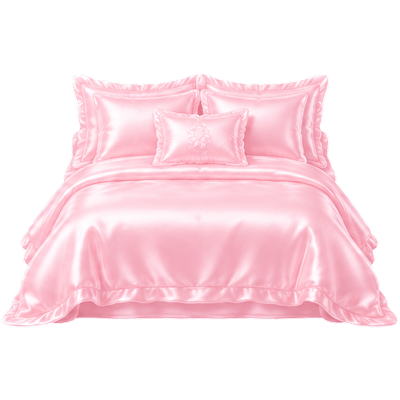 Bedding Sets
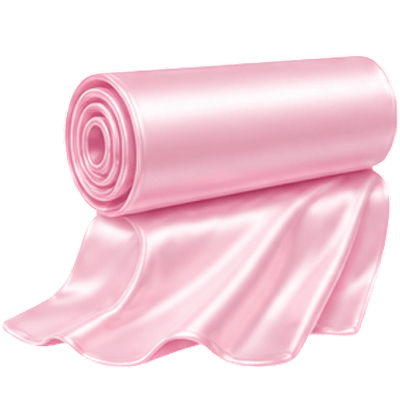 Fabrics
 CUSTOMER CARE
 SUSTAINABILITY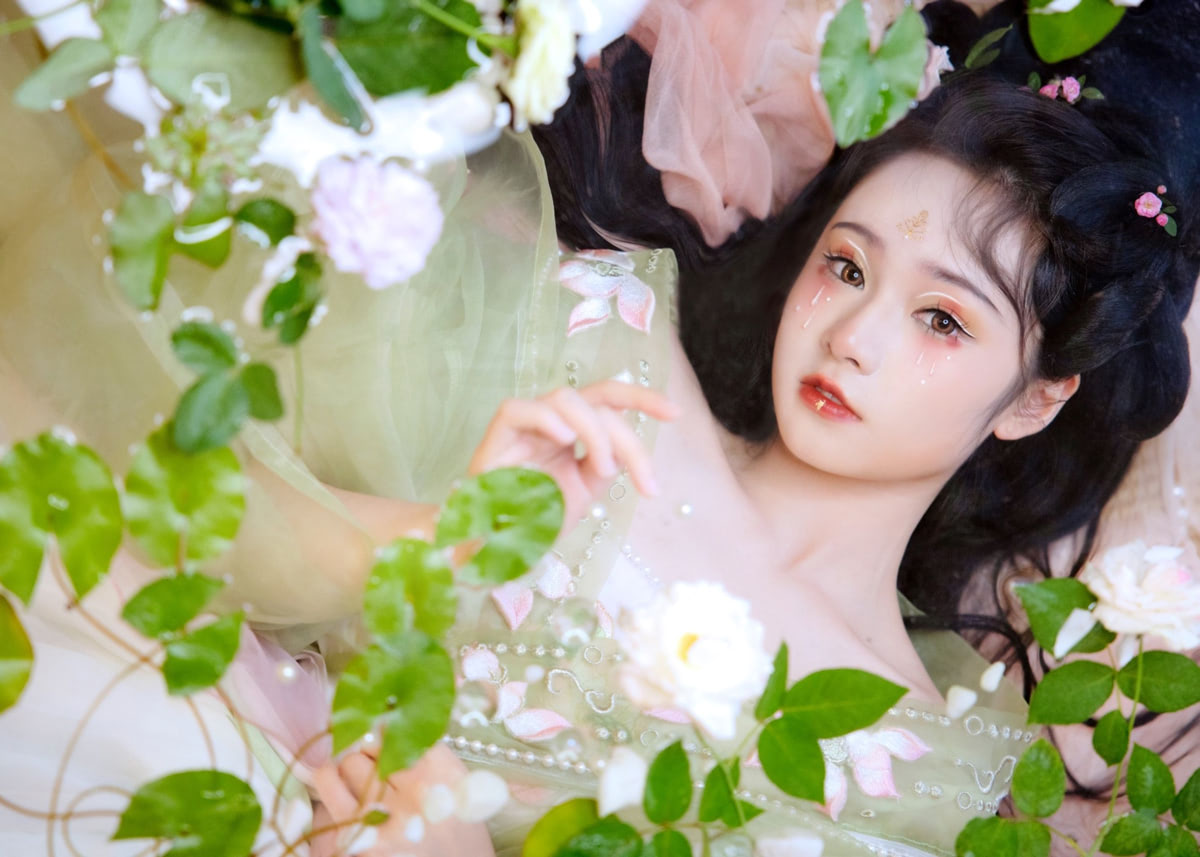
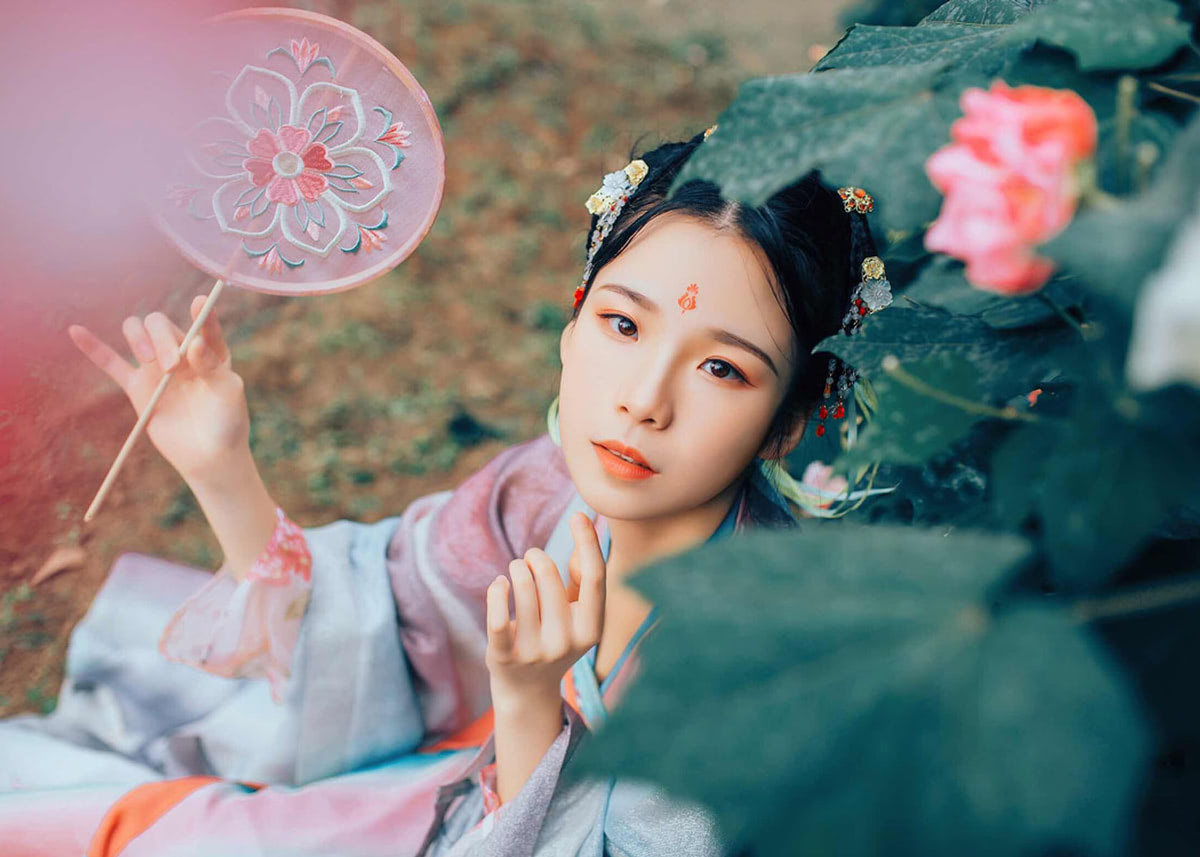
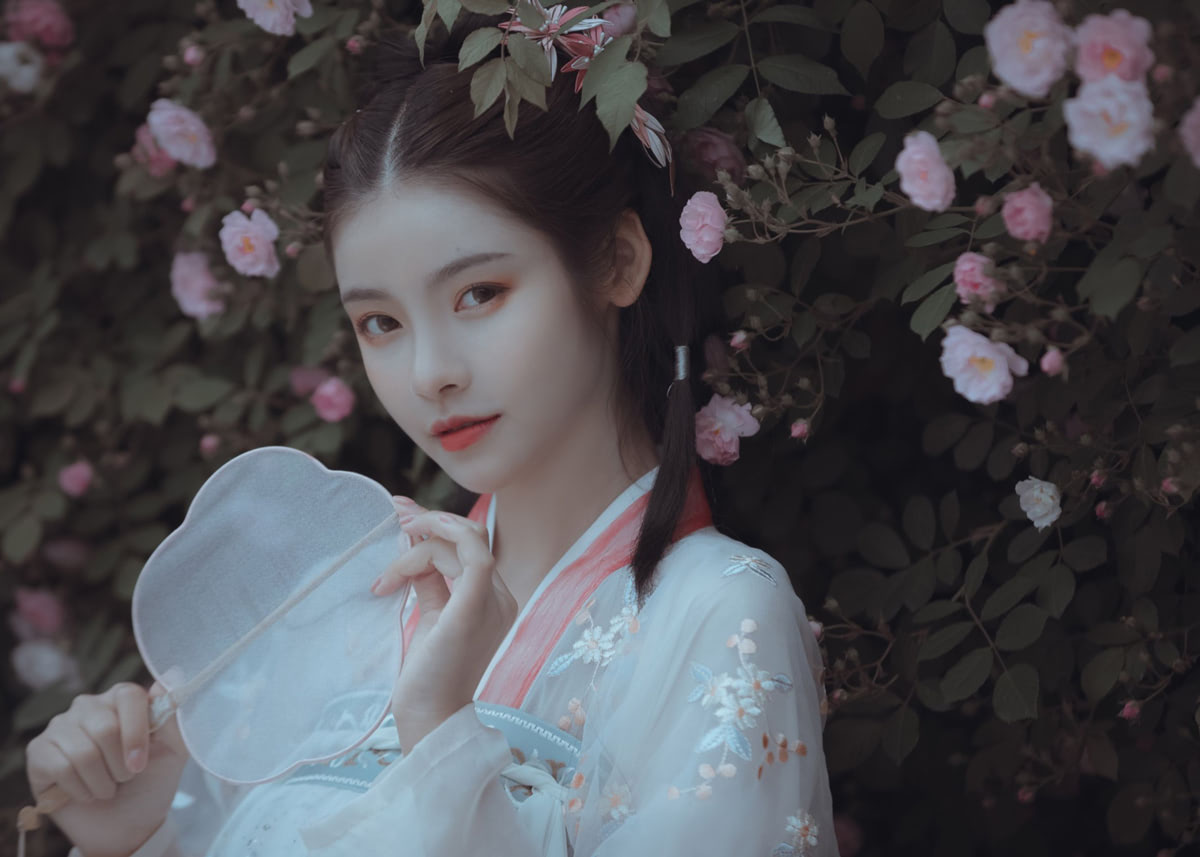
Hanfu, the traditional clothing of the Han Chinese people, carries a rich history and cultural significance that spans thousands of years. Its elegance, diversity, and symbolism have captivated the world, making it a subject of fascination for historians, fashion enthusiasts, and cultural aficionados alike. In this comprehensive exploration, we delve into the intricate classifications of Hanfu, uncovering the nuances and stories behind each style.
Introduction to Hanfu
Hanfu, meaning "Han clothing," encompasses a wide range of styles and designs that have evolved over the dynastic eras of China. Its origins can be traced back to ancient times, with influences from various regions and historical periods. Hanfu's unique features lie in its layered robes, flowing silhouettes, and intricate details that reflect the values and aesthetics of different eras.
Classification by Dynastic Periods
1. Xia, Shang, and Zhou Dynasties (c. 21st century BC – 256 BC)
During this period, Hanfu featured simple and elegant designs characterized by narrow sleeves and loose-fitting garments. The "ruqun," a two-piece ensemble consisting of a top and a wraparound skirt, was popular among both men and women. Accessories like belts and jade ornaments played a significant role in enhancing the attire's aesthetics.
2. Han Dynasty (206 BC – 220 AD)
The Han Dynasty witnessed the emergence of more elaborate Hanfu styles. Men often wore the "shan" robe paired with the "ku" trousers, while women adorned themselves in the "ao" robe with a long skirt. The "daxiushan" style, characterized by a short robe and a tight-fitting skirt, was popularized during this period.
3. Tang Dynasty (618 – 907 AD)
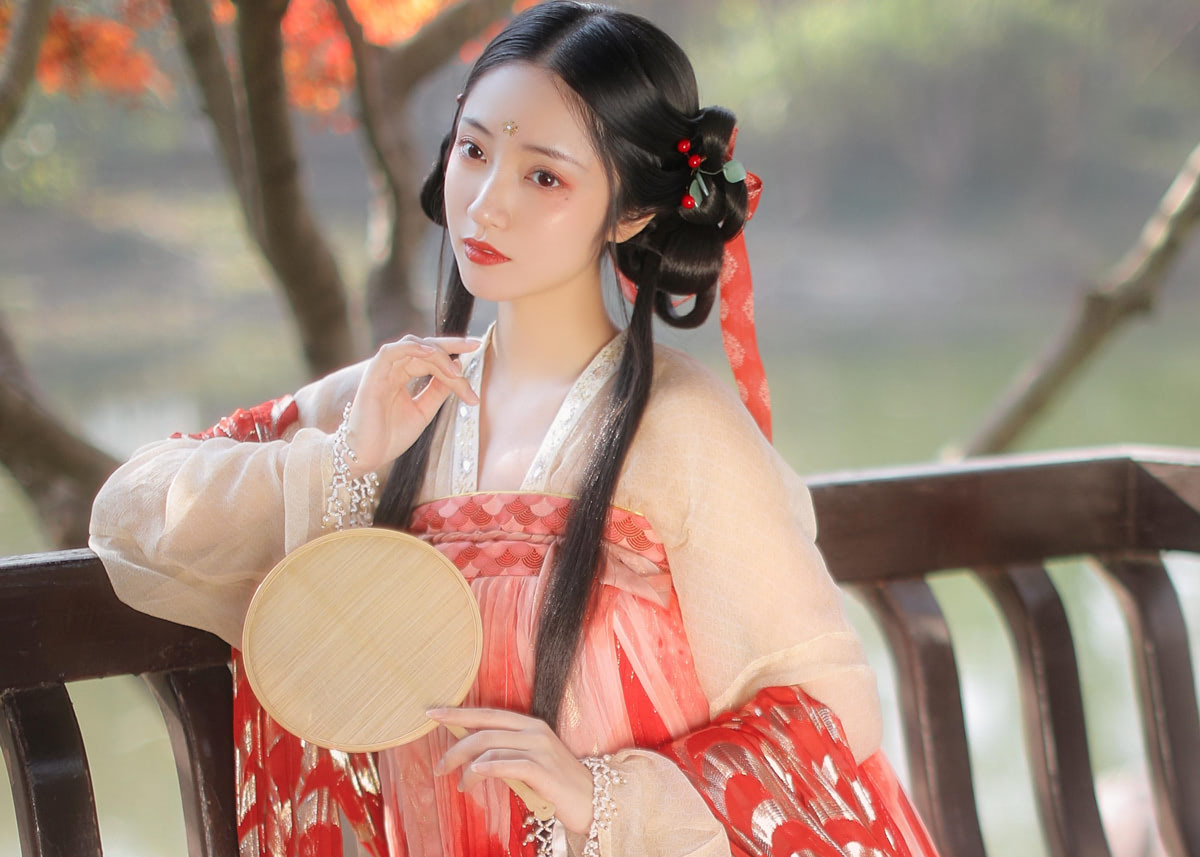
Tang Dynasty Hanfu boasted wide sleeves, intricate embroidery, and layered garments. The "aoqun" became a prominent style for women, featuring a high-waisted, wide-sleeved top with a long, flowing skirt. Men often wore the "ao" robe with the "beizi" overcoat.
4. Ming Dynasty (1368 – 1644 AD)
The Ming Dynasty witnessed a revival of traditional Hanfu styles. Men's attire consisted of the "zhaofu" robe, while women's fashion included the "mogu" robe with a distinct cross-collar design. Accessories like "tang scarf" headpieces and jade pendants added finesse to the ensemble.
5. Qing Dynasty (1644 – 1912 AD)
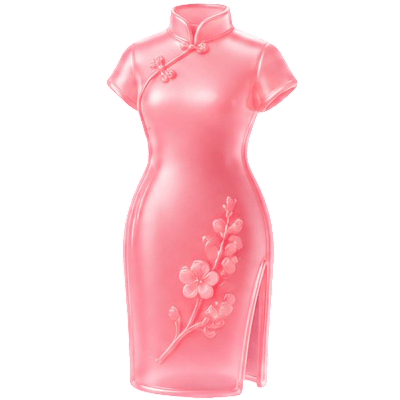
The Qing Dynasty introduced influences from the Manchu culture into Hanfu. The "qipao" or "cheongsam," a body-hugging dress with a high collar and side slits, gained popularity during this era. Despite the introduction of new styles, traditional Hanfu continued to be worn by scholars and officials.
Classification by Occasions
1. Formal Attire
Formal Hanfu styles were often reserved for ceremonies, court events, and important occasions. These ensembles featured intricate embroidery, rich colors, and layered designs. Men's formal attire included the "shenyi," a robe with wide sleeves and a wide belt, while women wore elaborate "ruqun" dresses with decorative accessories.
2. Casual Attire
Casual Hanfu styles prioritized comfort without compromising elegance. Men would wear simpler "ao" robes with loose trousers, while women adorned themselves in "daxiushan" robes paired with lightweight skirts. Accessories were minimal, focusing on practicality.
3. Performance Attire
Hanfu was also adapted for theatrical performances, with exaggerated sleeves, vibrant colors, and ornate headpieces. These outfits were designed to captivate the audience and convey the characters' personalities and roles.
Modern Revival and Interpretations
In recent years, there has been a resurgence of interest in Hanfu, driven by cultural appreciation and fashion innovation. Enthusiasts have blended traditional elements with contemporary influences, leading to the creation of "Neo-Hanfu" styles that appeal to younger generations.
Conclusion
The classifications of Hanfu reflect not only the evolution of fashion but also the values, beliefs, and aesthetics of Chinese culture throughout history. From the Xia Dynasty to the present day, Hanfu continues to be a symbol of elegance, heritage, and artistic expression. As we explore its classifications, we embark on a journey that celebrates the intricate tapestry of China's sartorial legacy.